
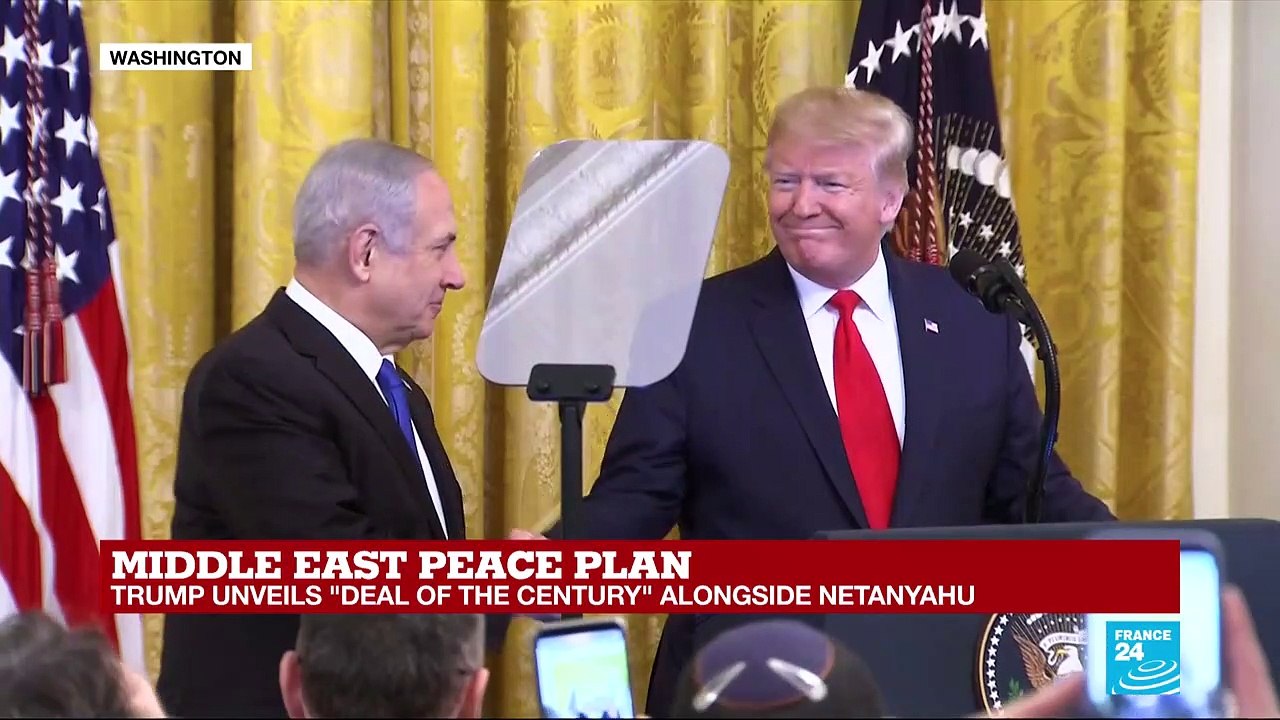
Netanyahu stresses to visiting American lawmakers need for joint Israel-US dismantling of Iranian nuclear program; Trump: ‘We’re well on our way to a deal with Tehran’
Times of Israel
Israel is ‘deeply concerned’ that the US is closing in on a ‘bad deal’ with Iran that will not meet Jerusalem’s stated essential conditions for ensuring the regime cannot attain nuclear weapons, a report said Thursday.
Channel 12 news reported that Israel believes the negotiations ordered by President Donald Trump with Iran, led by US special envoy to the Middle East Steve Witkoff, are ‘very, very advanced,’ and that the US is not sharing enough information with Israel on key specific issues. This, despite an ostensibly deep ongoing dialogue between Witkoff and Strategic Affairs Minister Ron Dermer.
The report, which quoted unnamed diplomatic, political and security sources, said that Prime Minister Benjamin Netanyahu, Defense Minister Israel Katz, and a senior IDF officer who cannot be named held an urgent consultation this week on the issue.
It said that during their telephone conversation on Tuesday, Netanyahu told Trump that he ‘does not rule out a diplomatic approach’ but only on condition that the resulting deal would ‘leave no trace’ of Iran’s nuclear program.
Trump confirmed that this is the American intention, the report said, and that the 60-day deadline he had set for a negotiated resolution remains in force.
While this exchange eased Israel’s concerns ‘a little,’ the TV report said, the security establishment remains very concerned about where the negotiations are headed. On the one hand, the US leadership is publicly declaring that Iran will not get nuclear weapons, but in contrast, ‘real progress’ is being made toward a nuclear deal in a way that is ‘deeply disturbing,’ the report cited unnamed experts as saying.
The report came as Netanyahu’s office said that during a meeting Thursday with a bipartisan delegation of US Congress members, the premier discussed the importance of ‘shared discussion’ on dismantling Iran’s nuclear program.
The third round of US-Iran talks, mediated by Oman, is set for Saturday. A technical, expert-level meeting, at which the sides are reportedly scheduled to begin drafting a framework for an agreement, was initially set for Wednesday but later also moved to Saturday, Tehran announced on Tuesday.
US State Department policy planning director Michael Anton will be the lead representative for the Trump administration in those technical talks, his office confirmed Thursday.
Anton was a spokesman for the White House National Security Council during Trump’s first term and served in the same office during former US president George W. Bush’s administration, but he doesn’t have a background in nuclear science.
Witkoff will also be present for the first round of technical talks in Oman on Saturday, State Department spokesperson Tammy Bruce said during a press briefing.
Before that meeting, the International Atomic Energy Agency will be sending a team to Iran to prepare for those talks. The IAEA will likely be tasked with monitoring Iran’s nuclear program if a deal is reached.
Speaking to reporters Thursday in the Oval Office, Trump said the US was having ‘very serious meetings’ in the ongoing nuclear talks.
‘There are only two options. One option is not a good option at all,’ he said, referring to a potential military option that has been threatened if Iran pursues a nuclear weapon.
But Trump indicated that might not be necessary because ‘we’re doing very well on an agreement with Iran… That one is well on its way.’
‘We could have a very, very good decision, and a lot of lives will be saved,’ Trump added.
Trump sprung the news on Netanyahu that he was initiating the talks with Iran when the prime minister was summoned to the White House on April 7. Netanyahu said in a Hebrew statement the next day that he and Trump ‘agree that Iran will not have nuclear weapons. This can be done by agreement, but only if the agreement is a Libya-style agreement,’ whereby those responsible ‘go in, blow up the facilities, dismantle all the equipment, under American supervision with American execution. That is good.’
Witkoff indicated after the first round of talks that Washington would be satisfied with a cap on Iranian nuclear enrichment and would not require the dismantling of Iran’s nuclear facilities.
Wednesday, as satellite pictures emerged showing the regime fortifying buried nuclear facilities, US Secretary of State Marco Rubio said Trump was determined to prevent Iran from attaining a nuclear weapon, and would prefer to do that by negotiations as opposed to military means. However, Rubio said the US would be willing to see Tehran have a civilian nuclear program as long as it was not enriching uranium.