
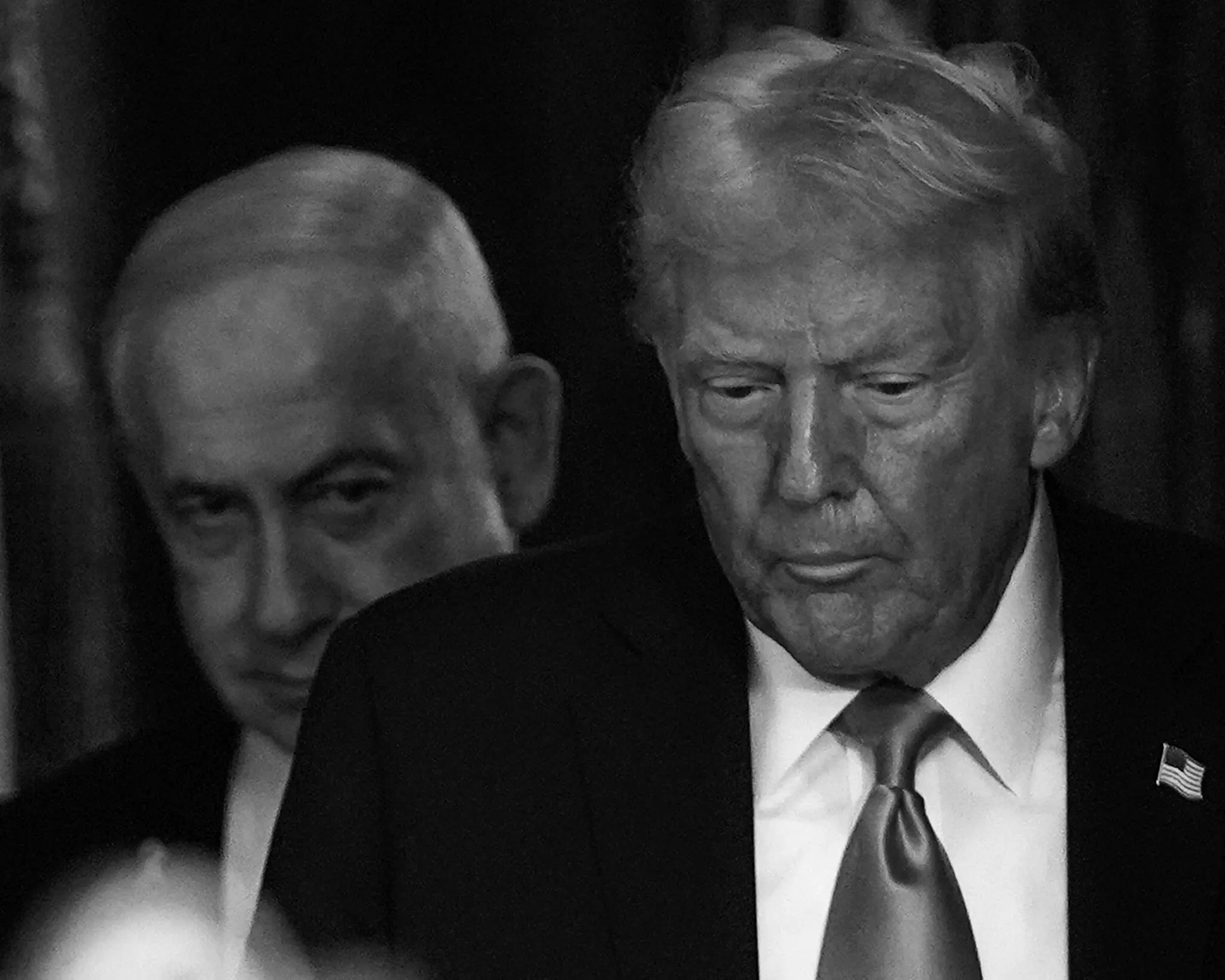
US officials ‘reached out to Iran diplomatically on Saturday’ to say the strikes were all the United States planned and that ‘no wider war’ was intended.
Jerusalem Post
Washington privately told Tehran that the overnight bombing of Iran’s three main nuclear sites would be a single, limited operation and that the White House was not seeking regime change, according to matching accounts by Reuters and CBS News.
How was the warning delivered?
CBS reported that US officials ‘reached out to Iran diplomatically on Saturday’ to say the limited strikes were all the United States planned and that no wider war was intended. Reuters quoted US sources repeating the same message and noting it was passed hours before the first bombs fell.
Iranian officials subsequently evacuated ‘most’ enriched-uranium stocks from Fordow, Natanz, and Isfahan before impact, an Iranian source told the regional site Amwaj media. The Indian NDTV also reported on Sunday that the US updated the Iranian regime before the attack, about 24 hours beforehand. According to the report, the information was passed on to Iran through a third Middle Eastern country, without mentioning which one.
What was hit?
Three B-2 bombers flying from the United States dropped six 13.6-ton Massive Ordnance Penetrator ‘bunker-busters’ on the underground Fordow plant, while a US submarine fired about 30 Tomahawk cruise missiles at Natanz and Isfahan. President Donald Trump later declared the targets ‘completely and totally obliterated,’ warning that ‘far greater’ strikes could follow if Iran retaliates.
Tehran’s first reaction
Iran’s Atomic Energy Organization denounced the raid as a ‘brutal act’ violating the Nuclear Non-Proliferation Treaty and vowed to rebuild its nuclear industry.
Officials have not detailed casualties or damage, but Iranian state television said the sites had been evacuated beforehand.