
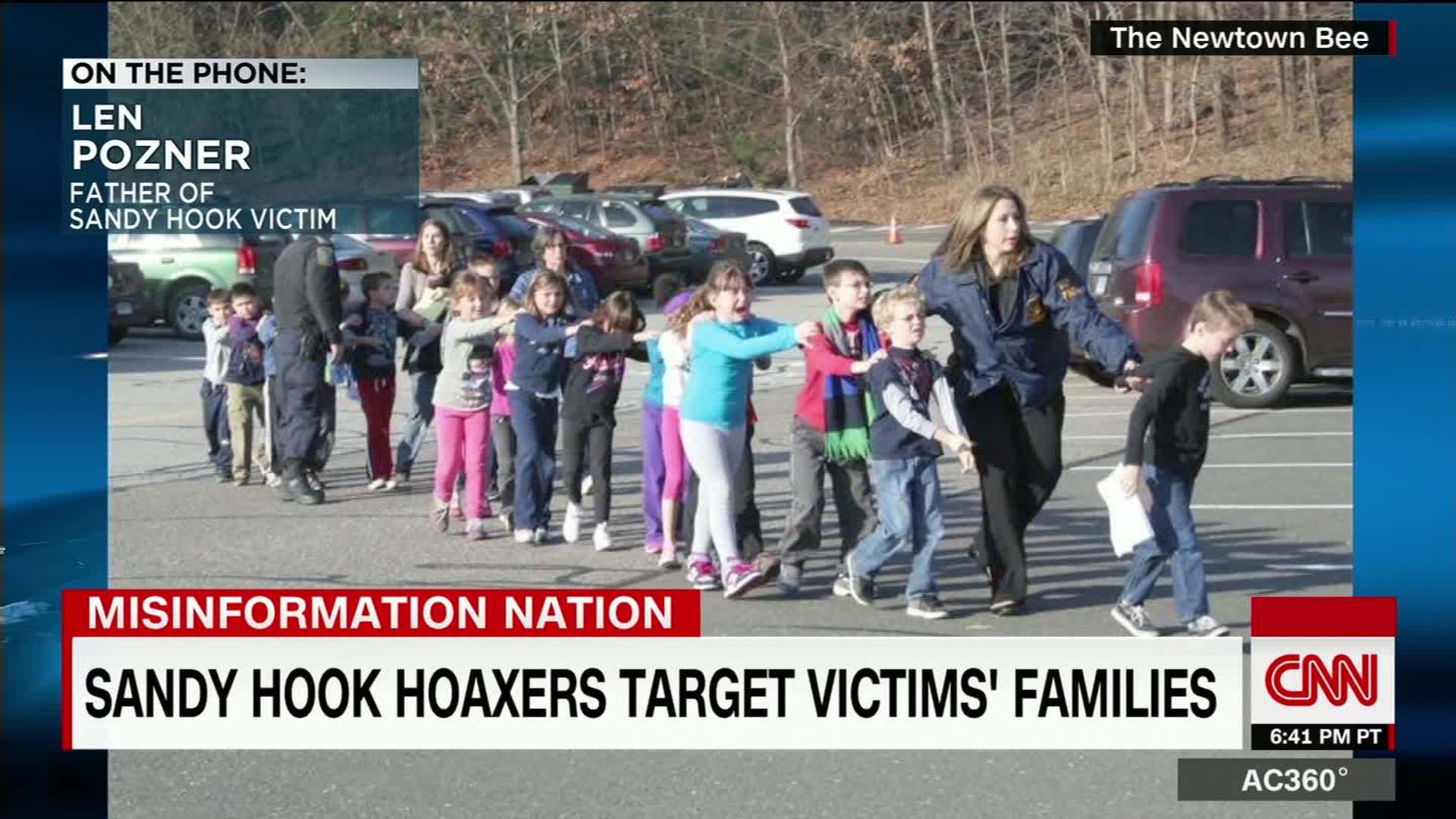
ed note–well, it’s ‘that’ time once again ladies and Gentile-men, where we at this humble little informational endeavor are afforded the right of throwing down the ‘we told ya so card’ in this little discussion, and, as we have stated on those previous occasions where this card was thrown down in this ‘great debate’, we do so without an ounce of glee or gloat, but rather with profound regret over the fact that so much has been lost that needn’t have been.
First, a lil’ pictographical digression–
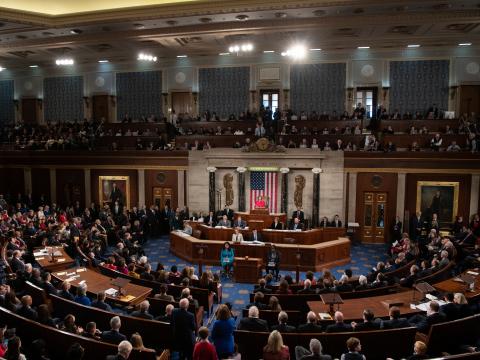
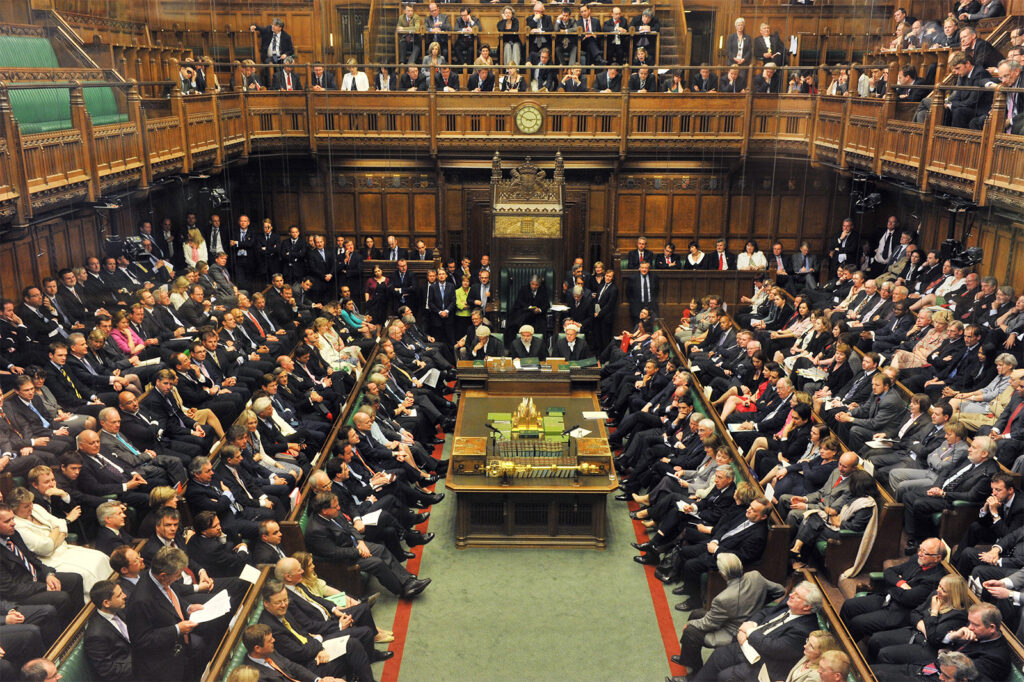
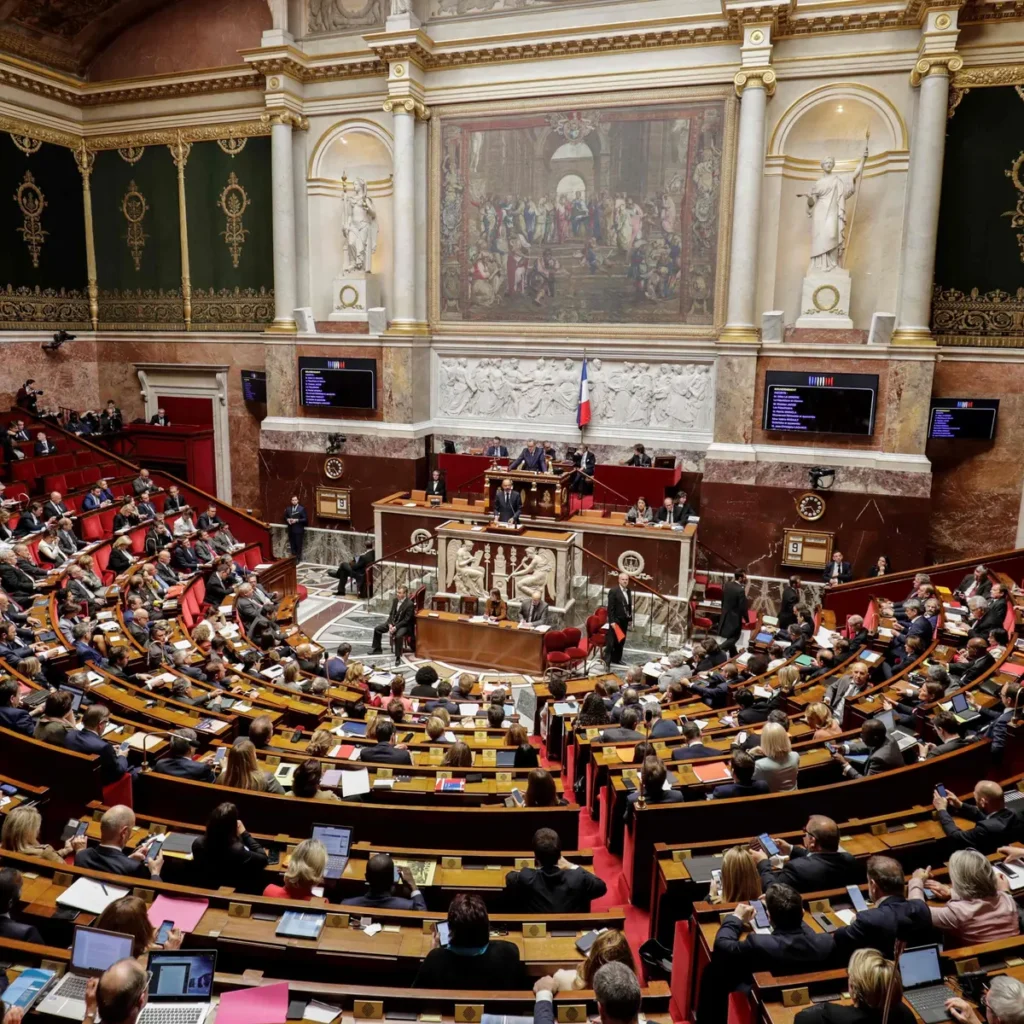
The first three are pics of the legislative bodies of the US, UK, and France, respectively, and all based upon this model–
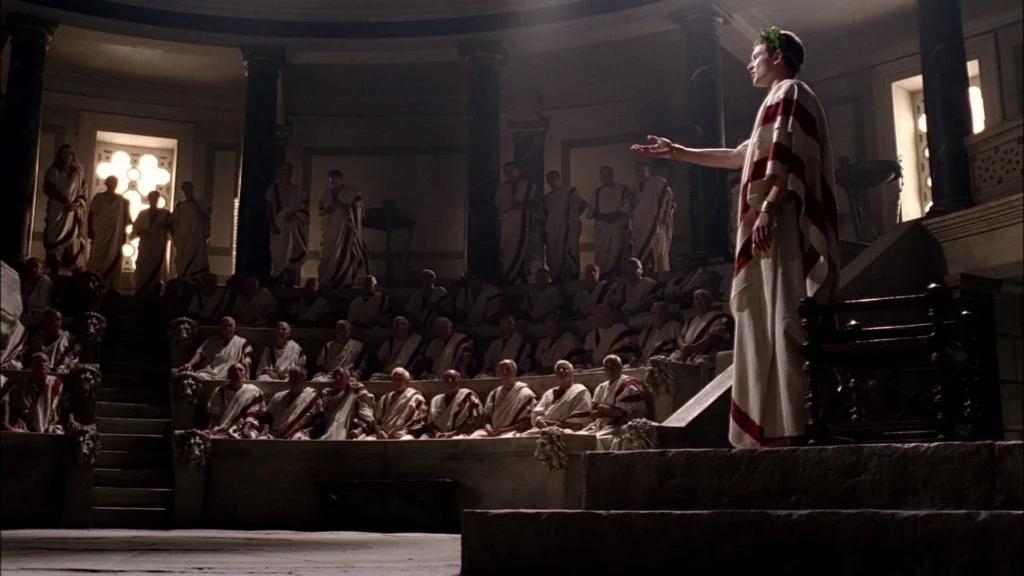
The Roman Senate.
Now, at these legislative bodies, what happens is that people get together and talk. They talk about whatever pressing problems the body politic happens to be facing at that time and what can be done–legislatively–to fix those pressing problems, hence why in most places in the West, these bodies are known as ‘Parliaments’ with the obvious etymological root being ‘parl’ as in ‘to talk’.
In other words, HOW people think directly affects WHAT they talk about, after which time–at least in legislative assemblies–POLICY in the form of law gets made and then works its way down to the lives of the citizens.
Yes, a bit tedious, we know, but there is an important point that will be made here very soon.
At the end of these great debates taking place in these various parliaments, the guy who makes the best argument and garners the most support for his argument is the one whose law gets passed. This is the reason why language, ideas, and the expression of those ideas is so important, given that it is an established fact that what starts off as a ‘concept’ and goes through the linguistic process of discussion and debate winds up becoming ‘policy’ that gets enforced by guys with badges and guns.
Which is why it is so important that the right concepts get discussed and debated using the right language, because just as good concepts rooted in good thinking and reason result in good laws being passed that benefit everyone, likewise bad concepts rooted in bad thinking, illogic or in plain old evil result in bad laws getting passed that harm everyone within the body politic.
Now, a decade ago, these afore-described truisms, very simple in their nature and presentation–in fact, ‘no brainers’ if ever such a thing existed –were laid out here in the face of what was the TIDAL WAVE of INTOLERABLE idiocy, lunacy, and plain old stupidity erupting in the immediate aftermath of the massacre at Sandy Hook Elementary school. A chorus line of clowns, cretins and mental miscreants injected themselves and their stupid ideas into the discussion taking place in the ‘peoples’ parliament’ known as the ‘troooth mooooovmnt’ and steered what would have/could have/should have been a RATIONAL discussion of what took place into that realm known as Fantasy Island, where no shooting took place, no one died, the parents whose children were (not) killed were all ‘crisis actors’ hired to play their roles as grieving moms and dads, and all of this premised upon the ‘concept’ that it was done to set the stage for repealing the 2nd Amendment, a massive ‘gun grab’ and the corraling of dissenters into cattle cars to be shipped off to concentration camps run by FEMA to be later turned into lampshades, soap, and dog food.
Now, this tidal wave of INTOLERABLE idiocy, lunacy, and plain old stupidity did not exist in a vacuum however.
There were those–very few in number, for sure–who did not buy into this and who warned those legions of ‘true believers’ that this was a trap that had catastrophic implications down the road much larger than simply a massacre at an elementary school, not the least of which was the fact that the brightest and best mind in that ‘movement’, this guy–

–The one and only/irreplaceable Michael Collins Piper, who singlehandedly solved the ‘whodunnit’ of the crime of the century, Israel’s assassination of a sitting President, JFK, was run out his rightly-attained/justly-earned place of influence and respectability, only to be replaced by this guy–
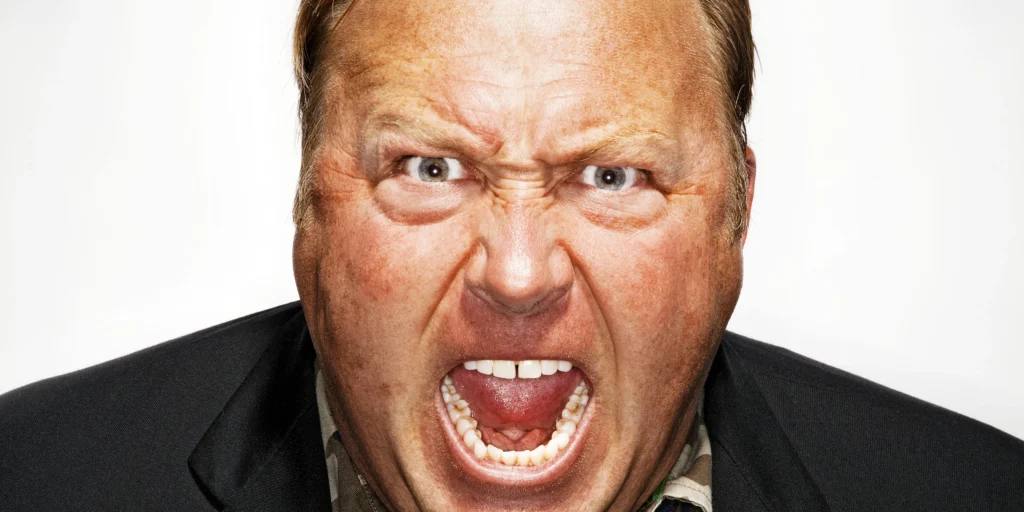
–and this guy–
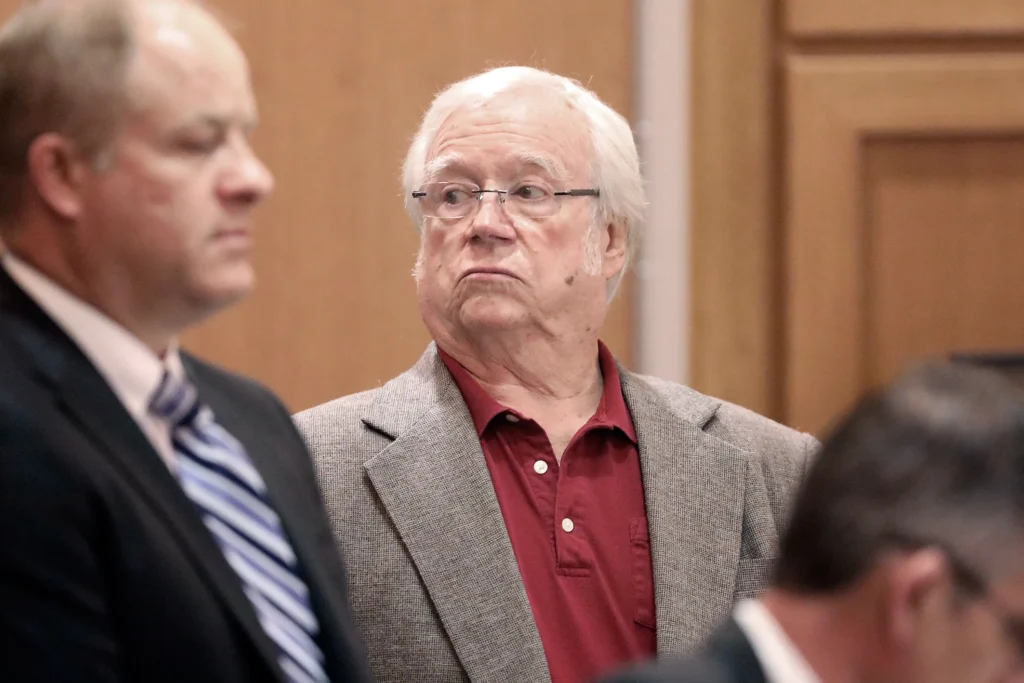
and this guy–
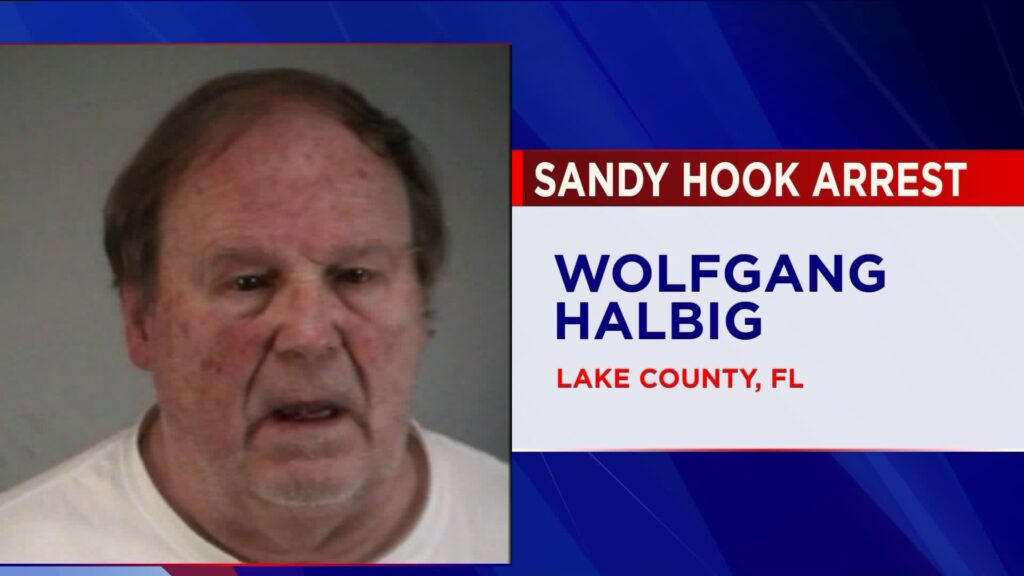
–and several others–although having since dropped from sight, nevertheless–whose intellectual flatulence continues to permeate and stenchify the airwaves of discussion to this day.
Now, as the irreplaceable Michael Collins Piper and a handful of others predicted (and as the accompanying news story below makes clear) all the prognostications on the part of the aforelisted prophets of doom have fallen flat on their fat faces. There has been no repeal of the 2nd Amendment, no ‘gun grab’, no cattle cars full of dissenters and no FEMA camps where these dissenters are turned into lampshades, bars of Irish Spring or dog food.
The news story appearing below should be seen for what it really is therefore, i.e. yet one more damning piece of evidence as to why the ‘hookers’ and their various ‘theories’ about these events (and others) need to be avoided like pus-oozing blisters on a Monkey Pox victim.
And finally, just to show how pervasive this virus known as the ‘Sandy Hook Hoax’ theory was/is/always will be and the trouble it will continue to cause over the years in steering the ‘peoples’ parliament’ and ‘policy’ that follows thus, what prompted us here at this humble little informational endeavor to post this story (as well as the extensive accompanying ed note commentary) was the fact that just yesterday, while standing in line waiting to spend a fortune for a few gallons of gasoline, we here at this humble little informational endeavor personally heard with our own ears the discussion which the cashier was having with the customer he was serving at that time concerning the recent shooting in Uvalde Texas, saying it was ‘all a hoax, just like Sandy Hook’.
Boston Globe
One day before a mass shooting in Texas killed 19 fourth-graders and two adults, former vice president Mike Pence stood onstage at a campaign rally here and praised Governor Brian Kemp for eliminating the need to get a gun permit to carry a concealed weapon in public, drawing cheers from Kemp’s delighted Republican base.
Last year in Missouri, the Republican-controlled legislature passed a law making it a crime for law enforcement to help enforce federal gun laws, threatening $50,000 fines if they do.
And in Texas, Governor Greg Abbott, a Republican widely believed to have presidential aspirations, signed seven pro-gun bills on one day last year, including the state’s own permitless carry bill and a measure allowing guns in hotel rooms.
‘Texas will always be the leader in defending the Second Amendment, which is why we built a barrier around gun rights this session,’ Abbott said at the time.
In the 10 years that passed between the slaughter of 26 children and adults at Sandy Hook Elementary School and the mass murder in Uvalde, Texas, on Tuesday, the lack of action on gun control became a perennial source of frustration — and fear — for millions of Americans.
And while it is true that Congress has not passed major gun control legislation during that time, the idea that nothing has changed is not quite right. While many Democrat-led states have implemented new gun restrictions in recent years, Republican lawmakers in many states have loosened them — and a Supreme Court ruling expected in the next few weeks could accelerate that trend further by declaring unconstitutional the restrictive gun licensing requirements used in New York and some other blue states.
‘In general, things have gotten a lot more permissive, and they’re about to get more permissive still,’ said John Donohue, a law professor at Stanford who tracks state gun legislation.
Gun safety advocates have notched victories in populous states such as New York and California, and the advance around the country of ‘red flag’ laws, which allow authorities to confiscate guns from people who make threats or show other signs of instability, stands as a bright spot for the movement. But conservative states have made it a point of pride to defy federal gun laws and make it easier to carry guns despite the drumbeat of mass shootings — moves experts say have made those states less safe.
Jackie Barden, the mother of a Sandy Hook victim, looked on as Connecticut Governor Dannel Malloy hugged her husband, Mark Barden, after Malloy signed far-reaching gun control legislation into law in 2013.
Jackie Barden, the mother of a Sandy Hook victim, looked on as Connecticut Governor Dannel Malloy hugged her husband, Mark Barden, after Malloy signed far-reaching gun control legislation into law in 2013.EPA
‘In the reddest states, gun laws are weaker and in the bluest states gun laws are stronger,’ since Sandy Hook, said Allison Anderman, senior counsel and director of local policy at the Giffords Law Center to Prevent Gun Violence, a group founded by the former congresswoman Gabby Giffords after she was shot in the head in 2011 in an assassination attempt and mass shooting.
All told, there are 21 states that have passed permitless carry laws since 2012 — a list that includes politically purple states Maine and New Hampshire in addition to deep-red ones such as Oklahoma and Arkansas — according to Giffords. Research by Donohue and others has found that those laws, also known as right-to-carry laws, are associated with increases in aggregate violent crime.
Over that period, eight states have created so-called stand your ground laws, which offer immunity to people who use deadly force in public to defend themselves against perceived threats without a duty to try to retreat or deescalate, according to the group. And since 2012, five states, including Missouri, have passed ‘extreme nullification’ laws, which discourage the enforcement of federal gun laws. And there have been laws around the country expanding the places where people can take their guns.
‘It just goes to show, for all of the mass shootings and despite the spike in gun violence, gun-rights advocates are just pushing hard and aggressively for loosening gun laws, and they’ve been remarkably successful,’ said Adam Winkler, a professor at UCLA School of Law who specializes in constitutional rights and gun policy.
The passage of these laws has been championed by groups including the National Rifle Association, and coincided with the rise of aggressive new pro-gun organizations that believe the NRA does not go far enough.
‘At the state level, there’s been a real push to restore rights,’ said Christopher Stone, communications director for the National Association for Gun Rights, which was founded in 2000, and has pushed for pro-gun laws including permitless carry. ‘Our goal is to be no-compromise, and not stand back even when it’s tough. … We fundamentally will not cut deals.’
The laws have also coincided with the deepening of the partisan divide when it comes to guns, with Republicans moving ever more to the right to placate their base.
‘There’s this entrenched opposition within the Republican Party, to virtually any proposal that seeks to restrict access to guns,’ said Eric Ruben, an assistant professor at Southern Methodist University’s Dedman School of Law in Dallas and a fellow at the non-profit Brennan Center for Justice in New York. ‘That has become almost an identity of one of the two major parties.’
Ruben pointed to Texas as an example of how the Republican Party has evolved on guns over the past decade. It is a state with a shocking number of recent mass shootings: 26 people in an attack at a church in Sutherland Springs in 2017, 23 people in a racist shooting in El Paso in 2019, and eight more in a shooting spree in Midland and Odessa weeks later, to name a few. But it also is one where lawmakers have seen fit to allow guns on college campuses, expand open carry laws, and declare themselves a ‘Second Amendment sanctuary state.’
‘My time in the Legislature has been a slow drumbeat of breaking down gun safety,’ said state Representative Joe Moody, a Democrat from El Paso, in an interview. He said he found the GOP’s embrace of permitless carry for handguns particularly shocking.
‘No safety training, no responsibility,’ he said. ‘That was the bill that 10 years ago was laughed at by most mainstream Republicans that I served with … which seems like a lifetime ago, that these type of concepts were thought of as just fringe.’
Abbott has disputed the idea that stronger gun laws prevent mass shootings, and said his recent loosening of gun laws had nothing to do with the massacre in Uvalde.
‘No law that I signed allowed him to get a gun, the gun that he did get,’ Abbott said on Friday.
In some cases, the passage of pro-gun laws has coincided with moments of political need. In Georgia, Kemp campaigned on the idea of permitless carry during his first race for governor in 2018, as he sought to defeat a challenger in a competitive primary. He then signed the bill in April as he was fighting off a Trump-backed primary challenge.
The measure has frustrated Democrats. Asked why his state has loosened its gun laws instead of tightening them in the wake of mass shootings, Senator Jon Ossoff of Georgia, a Democrat, blamed ‘political pandering to a small, hard-core, activist cohort for whom any common sense gun safety measures are anathema.’
Despite this hard-right turn in many states, there have been some high-profile advances in gun safety laws. Giffords counts 48 states plus Washington, D.C., that have passed what they consider significant gun safety laws between the Sandy Hook shooting in December 2012 and the end of 2021. (Some states have passed gun safety bills in addition to measures that weaken gun control.)
One month after the Sandy Hook shooting, former governor Andrew Cuomo of New York muscled through a gun safety package that included an expansion of the state’s ban on assault weapons, a ban on high-capacity magazines, universal background checks, and more.
Eleven states, including Washington and Nevada, expanded background checks. In 2016, one year after a mass shooting in San Bernardino, California passed a suite of gun control regulations by referendum, including background checks for ammunition purchases and a ban on high-capacity magazines.
And after a teenage gunman killed 17 people at a high school in Parkland, Fla., on Valentine’s Day in 2018, students from that high school successfully persuaded Republican lawmakers in Florida to pass a modest package of gun safety measures, including a red flag law. There are now 19 states with such laws, according to Giffords. That shooting also motivated new gun control laws in other states, including Vermont, which had few restrictions before that.
And legal experts believe the Supreme Court is likely to take more teeth out of states’ ability to restrict guns when it rules next month on a challenge to a New York law that requires people to demonstrate that they have a specific reason to carry firearms in public to get a license to do so, which is otherwise known as ‘proper cause.’
During oral arguments, the court’s conservative majority appeared sympathetic to the idea that such a requirement infringes on Second Amendment rights. If they were to overturn it, similar laws in six other states, including Massachusetts, could also fall, which would mean the loosening of gun restrictions in states where a quarter of the country’s population lives, said Ruben, the Brennan Center fellow.
The court could also go further and upend the standards judges currently use to determine whether gun restrictions are legal, he said.
Donohue, the Stanford professor, is hopeful that Chief Justice John Roberts will not want his name associated with a relaxation in gun laws that could lead to more gun deaths, and could persuade Justice Brett Kavanaugh to join him. But he is hardly optimistic.
‘It’s a bleak period if you’re averse to gun violence,’ he said. ‘If you’re a mass killer or a criminal, it should be a good day in the days ahead.’