
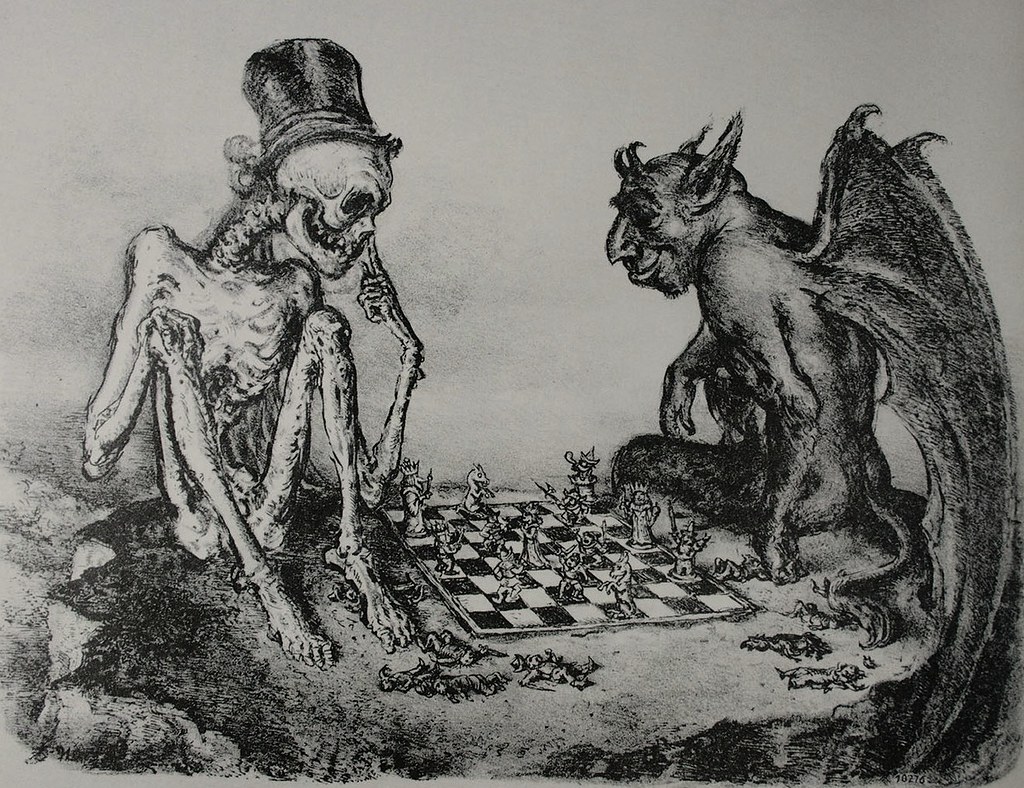
Graham’s track record has some anti-interventionists treating the senator’s death as a ‘fresh start’ for the America First movement.
Politico
The sudden death of Sen. Lindsey Graham, perhaps the most effective hawk in the modern Republican Party, has created a vacuum among supporters of an assertive American foreign policy.
America First leaders see it as a sort of ‘fresh start’ in advancing their cause of bringing an end to all the ‘endless wars’.
To Trump’s anti-interventionist allies, Graham was a constant irritant who boosted strong and proactive U.S. involvement in Israel and Ukraine and supported a transatlantic European alliance they argue no longer serves core American interests.
And while others in the Senate share Graham’s support for a more muscular military policy, including Sen. Tom Cotton (R-Ark.), none have the relationship with the President and other Senate Republicans that made him, in the America First crowd’s eyes, so worrisomely influential.
Instead, they see Graham and Sen. Mitch McConnell (R-Ky.) — who has been absent from the chamber for weeks after a fall and a bout of pneumonia — as the last vestiges of a hawkish old guard that has been dwindling since Sen. John McCain’s death in 2018.
‘The McCain wing of the ‘America Last’ party has taken a mortal blow with the death of Graham and the demise of McConnell — Cotton and the rest of the cabal have neither the gravitas nor the cunning of those two,’ said Steve Bannon, former White House chief strategist. ‘The Oligarchs in Ukraine and Imperial Israel Proponents are now curled up in the fetal position.’
Graham used his rare, durable rapport with the President to push his hawkish instincts in an administration whose impulses often ran in the other direction. The day before he died, a bipartisan group of senators that included Graham announced they had reached an agreement with the White House on new Russian sanctions legislation. His death may be the final boost needed to enact the long-stalled bill, an illustration of the kind of cause that will be missing a champion like him in the future.
While he was never able to convince Trump to embrace Ukraine in the same way that he did, he personally lobbied Trump to send Ukraine Tomahawk missiles and was among the loudest Senate voices advocating for the U.S. strikes on Iran earlier this year.
It’s that track record that has some anti-interventionists — even those unwilling to name Graham directly — conceding that his death may indeed help their cause, arguing that one fewer hawkish voice in the President’s ear can only help the America First movement.
‘Broadly, whatever the reason, if there are fewer voices in President Trump’s ear advocating for intervention, that’s a great thing,’ said Steve Cortes, a former Trump adviser. ‘It’s a great thing for our country, it’s a great thing for our movement, it’s a great thing for our party, and it’s a good thing for November.’
Trump himself noted Graham’s sweeping influence on foreign policy, including in an interview on Fox & Friends Monday morning.
‘We lost a great man. He was a great politician and a kind man. But you know who really lost? Israel and Ukraine, they lost somebody who was very special to them,’ Trump said.
Even as they fiercely opposed his views, several anti-interventionists in interviews deemed Graham a savvy political operator who understood the President well enough to stay useful to him over the course of a decade.
And Graham was known as a practical legislator who took his losses in stride and kept working the relationship rather than retreating to grievance.
‘Graham would call him constantly to try and push his own national security policy,’ said Fred Fleitz, Trump’s former National Security Council chief of staff and vice chair of American security at the American First Policy Institute. ‘He learned from what Graham told him, from Graham’s trips abroad, from Graham’s vast number of international contacts.’
Some in the America First camp also noted that Graham was willing to battle with their wing and its media allies head on in a way that some of his GOP counterparts with higher political aspirations were not.
‘Not only was he a hawk, he was willing to be the Great Satan in the eyes of people such as Tucker Carlson and Steve Bannon,’ said Curt Mills, executive director of the American Conservative magazine, adding ‘something you don’t see from [Senate Majority Leader] John Thune or Tom Cotton. Lindsey Graham didn’t care. His goals were bad, but for the hawks, he was an obvious asset.’